Some Overworld Rocks Are Chests
No. Really. Some rocks on the overworld do, in fact, behave like chests. The caveat is that they only behave like chests for the hammer and guard search probes. What is going on?
Overworld collision
First, we need to understand how underworld collision works. In the underworld, one room is loaded at a time, and its tilemap exists in its entirety in memory at
The underworld's tilemap and collision loading is simple, because only two 64-by-64 maps are loaded at a time—the upper and lower layers. That works out to 4096 tiles—
The overworld, however, loads 8 times as many tiles! The smaller overworld screens are already 64-by-64, and four of those are loaded at once, even when loading a small screen. To fit more information into the same amount of space, some form of compression is required.
Instead of storing tilemaps directly, overworld screens are built with metatiles of 2-by-2 tiles which we will call "map16 objects". On the overworld, the memory at
So which of these definitions works as a chest?
None of them.
Another table
While it is true that the vast majority of things look deeper into a map16 object to obtain the tile or tiles it needs, there are exceptions to this:
Any interaction that manipulates the overworld, such as cutting bushes or grass, hammering a peg, or bonking a pile of rocks, has a map16 object ID hardcoded into the test logic. For example, the code below is how the shovel checks for diggability:
The other exception—and this is the oddball—is the routine
Shooting sparrows with a cannon
First off, why do the manipulability checks not use this table? Bushes, rocks, and diggable ground, and actually every interaction that has a hardcoded check already has an existing tile interaction type. This could have been much cleaner and more expandable.
Next, why does this table exist? It is only used by two things: the hammer for spawning a splash, and search probes for detecting collision. This table embodies an extremely odd and heavy-hitting solution to these problems. Search probes could use the existing overworld tile checks that every other sprite uses. They already use the same routines as everything else for underworld tiles. Why are they different here? As for the hammer, it'd be slightly less efficient, but there's no reason it can't just check 4 tiles at once for being water. Why does it need to check map16 objects specifically?
It wasn't a rock...
| Map16 ID | Image |
|---|---|
| $02BA | |
| $02C0 | |
| $02F8 | |
| $02FA | |
| $0309 | |
| $0310 | |
| $0502 | |
| $069E | |
| $0D0E | |
| $0D17 | |
| $0D21 |
For some reason, inside
So, unfortunately, we can't actually open any chest rocks in the overworld, because they're never considered a chest in that context. But they really are considered chests by the hammer. It just means nothing; they might as well be a wall.
Why is the table like this? I have no clue. I'm not even going to try to guess. I also don't know if there are any other oddities. No other blatantly nonsense values exist in the table, but it could very well be the case that a handful of IDs are associated with something contradicting their graphics. There are just too many to check for me to care.
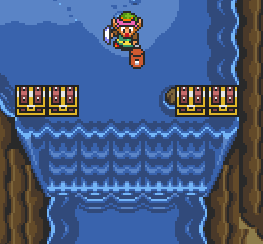
The culprits
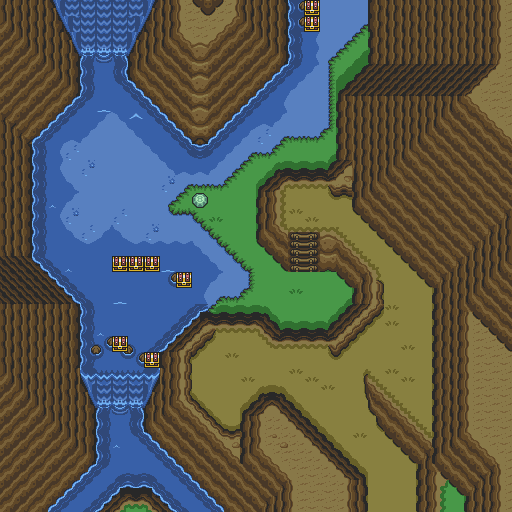
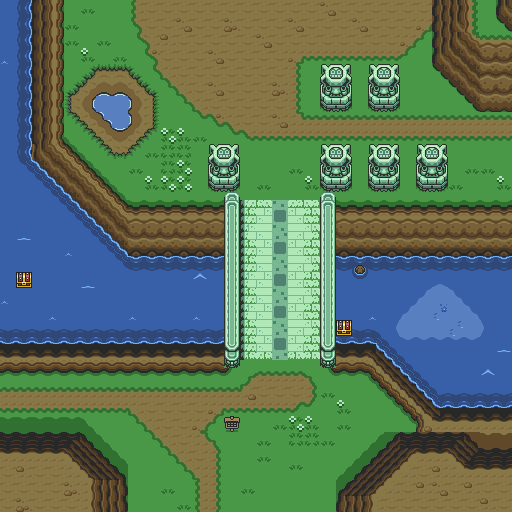
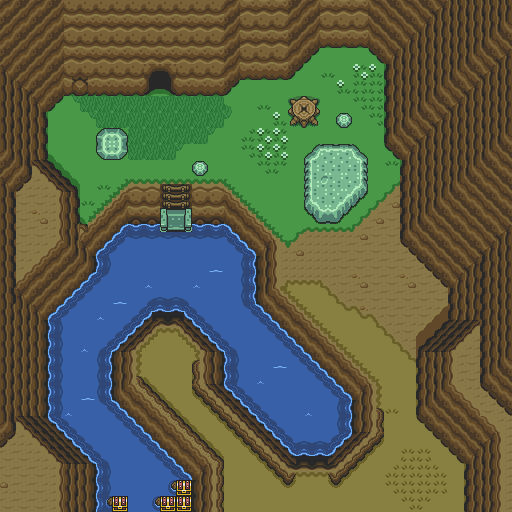
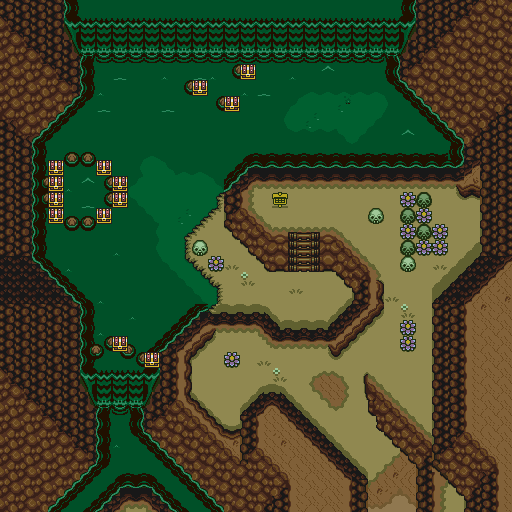
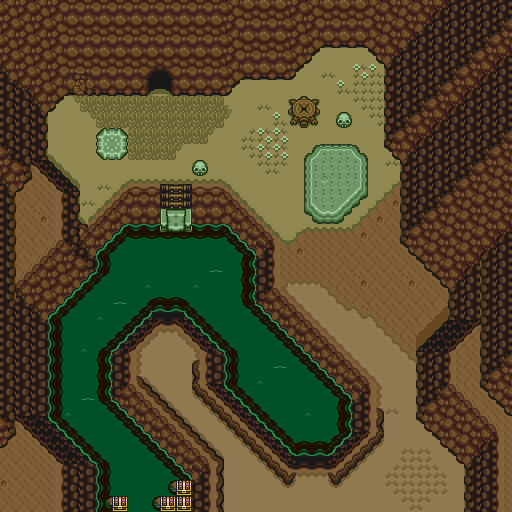
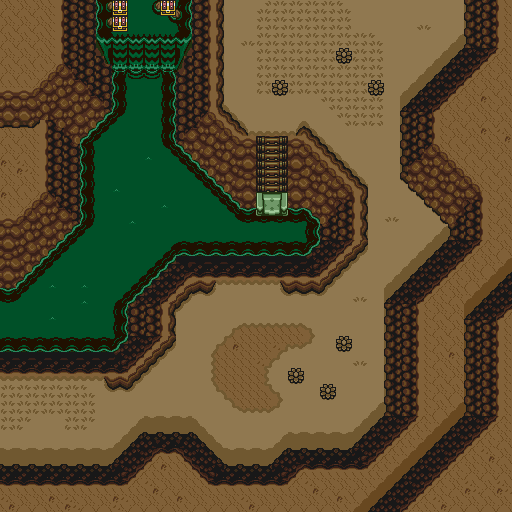
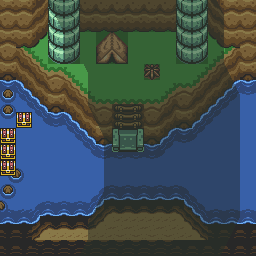
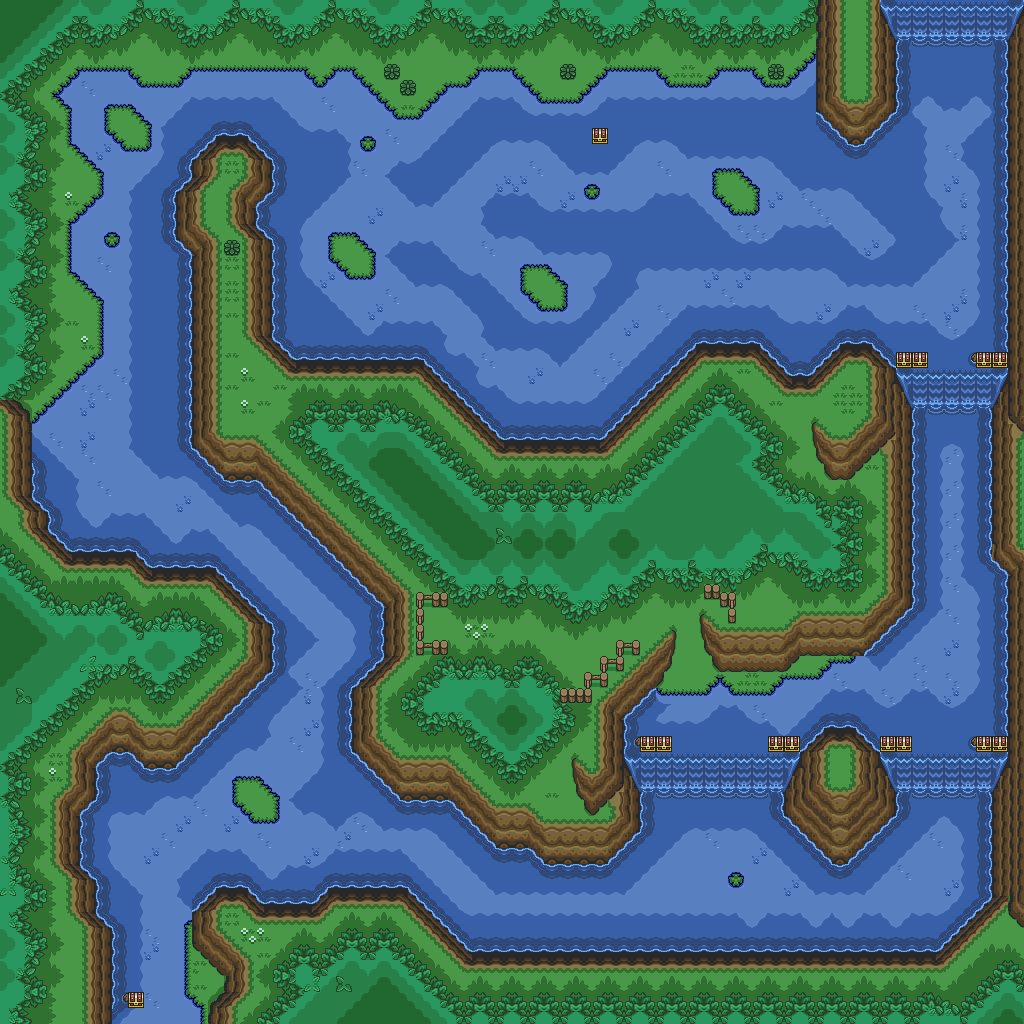
So what if you wanna hit your own chest rock? Well you can! I have gone ahead and annotated the chest rocks on every screen they appear. Enjoy!